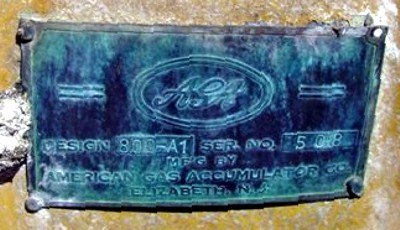
Amalgamated Gas Accumulator Beacon ID Plate, 2007


Submitted by Robert E. Pearce

Amalgamated Gas Accumulator (AGA), Nevada, September 2007
A photo taken of an identification plate located on one of the old Nevada airway beacons.

History of the Amalgamated Gas Accumulator
AGA AB was started in 1904 near Stockholm, Sweden, by Gustaf Dalen, a 35-year-old engineer and ingenious inventor. The very next year, AGA developed an automatic lighthouse mechanism that included the sun valve and the intermittent light regulator (the first innovations patented by AGA). Acetylene, with its bright light, was an excellent fuel for lighthouses, but it was too expensive when burned all day.

AGA’s intermittent light regulator reduced fuel consumption by 90 percent, and the sun valve cut consumption by another 4 percent. This meant lighthouses could be operated at a low cost and left unattended for long periods of time. In 1912, AGA won a contract to build a lighthouse system for the Panama Canal and Dalen was awarded the Nobel Prize in Physics for his inventions in lighthouse technology.

In 1911, AGA founded the American Gas Accumulator Co. in New Jersey and in ensuing years many lighthouses were installed around the Great Lakes. Although AGA’s stock in American Gas Accumulator Co. was sold in 1949, new operations had been established in other fields in the United States.
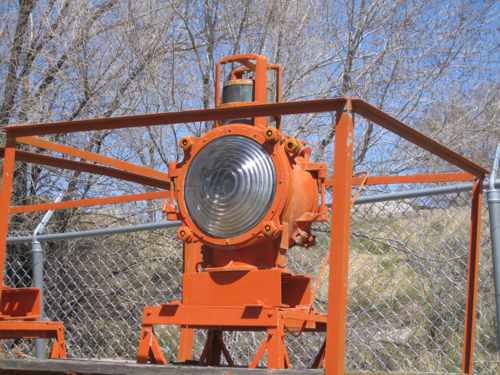
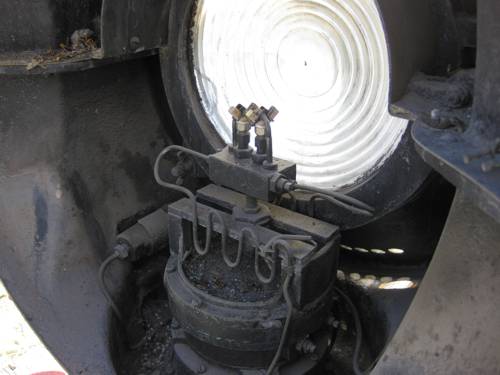
Amalgamated Gas Accumulator Airway Light Beacon History, Nevada, 2010

Photos submitted by Don Forbes

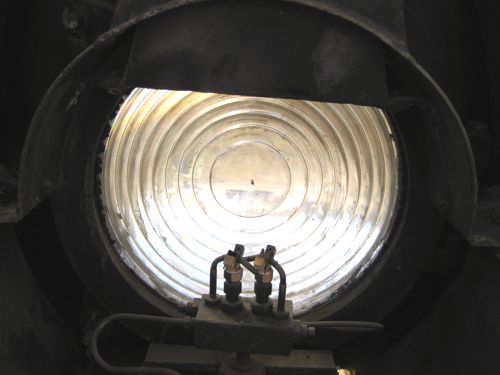
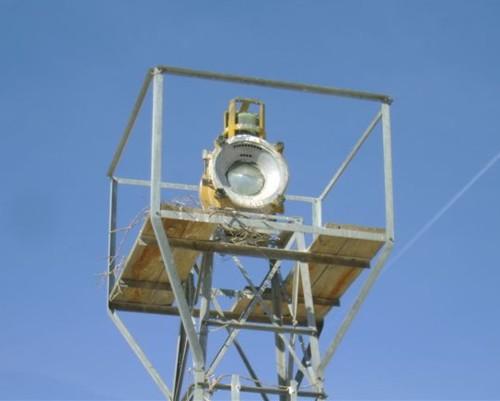
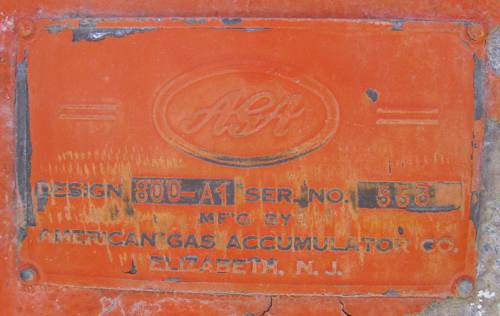
A photo taken of an radio beacon light located on one of the old Nevada airway sites (exact location unknown). The above identification plate reads as follows:

AGA
Design 800-A1
Ser. No. 553
MF’G by American Gas Accumulator Co, Elizabeth, NJ

History of the Amalgamated Gas Accumulator
AGA AB was started in 1904 near Stockholm, Sweden, by Gustaf Dalen, a 35-year-old engineer and ingenious inventor. The very next year AGA developed an automatic lighthouse mechanism that included the sun valve and the intermittent light regulator (the first innovations patented by AGA). Acetylene, with its bright light, was an excellent fuel for lighthouses, but it was too expensive when burned all day.

AGA’s intermittent light regulator reduced fuel consumption by 90 percent, and the sun valve cut consumption by another 4 percent. This meant lighthouses could be operated at a low cost and left unattended for long periods of time. In 1912, AGA won a contract to build a lighthouse system for the Panama Canal and Dalen was awarded the Nobel Prize in Physics for his inventions in lighthouse technology.

In 1911, AGA founded American Gas Accumulator Co. in New Jersey and in ensuing years many lighthouses were installed around the Great Lakes. Although AGA’s stock in American Gas Accumulator Co. was sold in 1949, new operations had been established in other fields in the United States.
Prewitt Rotating Beacon, 1929

Prewitt, New Mexico Rotating Beacon, 1929

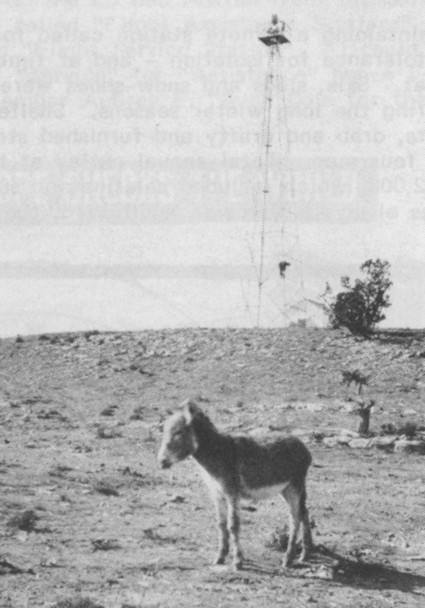
This 1929 photo, from a DoC (Dept of Commerce) journal article by Thomas Chapman, shows the airway beacon light tower under construction at Prewitt (Thoreau), NM. The stoic burro in the foreground was referred to as the “Superintendent of Airways Construction.” This framed photo was a memento given by staff to Fred Hingsburg, the Chief Engineer for the Airways Division.”

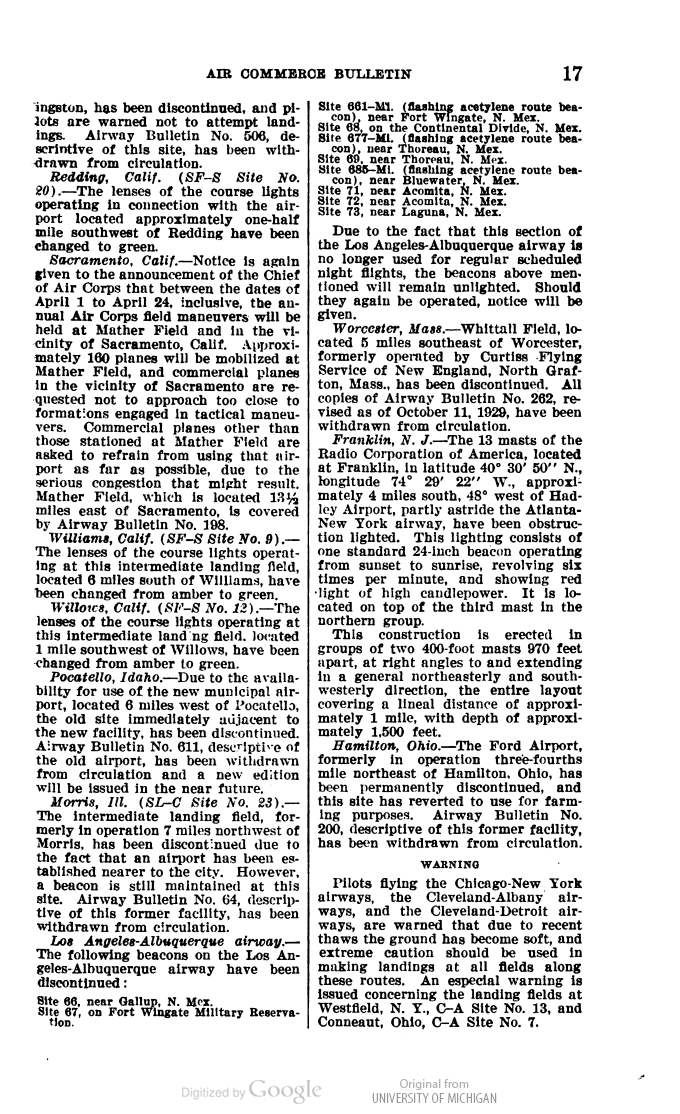
“Prewitt (Thoreau) was DoC Site 69 on the original 1929 Winslow-Gallup-Albuquerque segment of the mid-continent airway, first served by Transcontinental Air Transport in July, 1929. It was one of several beacon lights to be shut down in early 1930, as the beacon route was being realigned to match with the new four-course radio range signals. It is not clear where this Prewitt beacon tower was relocated along the new direct airway line.

The above Air Commerce Bulletin describes the shutdown of these beacons, soon to be relocated along the radio beam from new radio range sites at Albuquerque and Winslow for this section of the airway.

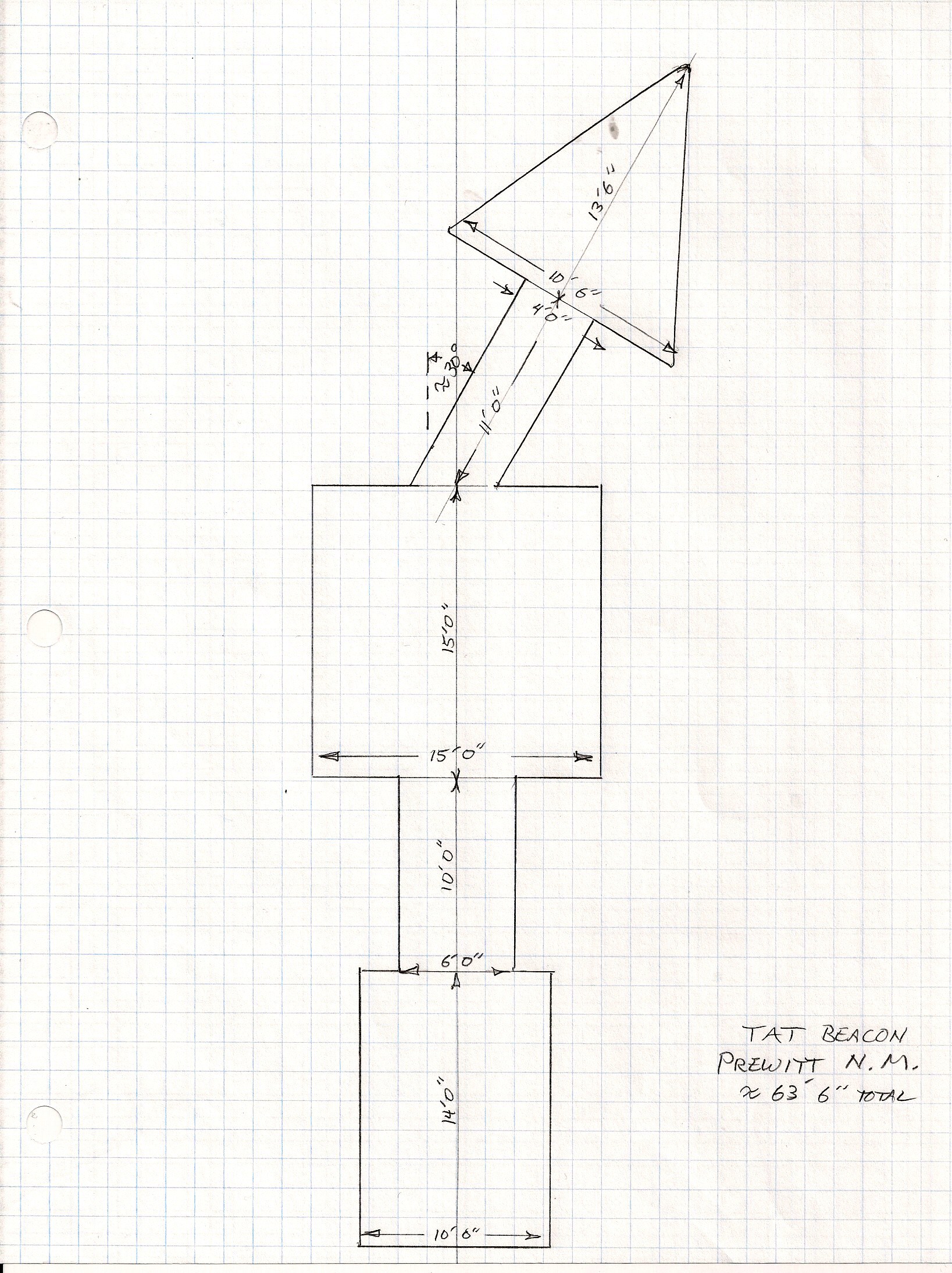
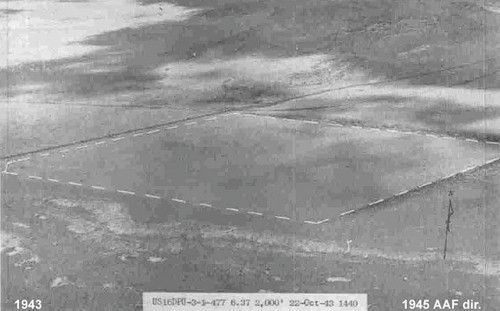
The above sketch is the layout of the Prewitt beacon arrow using the identifier TAT.  Arrow location: 35°21’45.27″N 108° 2’45.71″W

Buffalo Valley Beacon Light, 2007


Submitted by Robert E. Pearce

Site 23 Beacon Light, Nevada, August 2007

This old airway beacon, located in Nevada, is a acetylene gas powered beacon from the 1930’s, which put out 5000 candlepower.  Research indicates they flashed at 60 times a minute.

REQUEST
I/m looking for a maintenance manual on gas powered beacons to post on this site.